Exploring gambling through the lens of cultural diversity
Understanding Cultural Perspectives on Gambling
Gambling is a universal activity that transcends borders, with each culture lending its unique perspective to the practice. In some societies, gambling is seen as an exciting pastime, while in others, it might be viewed with skepticism or moral concern. For example, in many Western cultures, casinos and lotteries are widely accepted and even celebrated, contributing significantly to the economy. Conversely, certain Eastern cultures may regard gambling as taboo, reflecting deeper values associated with luck, fate, and spirituality. As beginners explore this intriguing world, they may find that Casoola casino offers a variety of options to enhance their gaming experience.

The way gambling is perceived often influences its regulation and the types of games that are popular. In Japan, for instance, pachinko parlors dominate the gambling scene, a blend of pinball and slot machine mechanics, showcasing a uniquely Japanese twist on gaming. In contrast, countries like the United States and the United Kingdom have embraced poker and sports betting, which reflect different cultural attitudes toward chance and skill. Understanding these diverse viewpoints can shed light on the broader implications of gambling in society.
Moreover, cultural festivals often feature gambling-related activities, demonstrating how integrated this practice is within societal norms. Events such as Chinese New Year include traditional games that emphasize luck and fortune, while in some Indigenous cultures, gambling takes the form of community gatherings, reinforcing social bonds. These practices highlight that gambling is not just an individual activity but also a communal one, deeply rooted in cultural identity and collective experiences.
The Evolution of Gambling Practices Worldwide
The history of gambling is rich and varied, reflecting the social, economic, and political climates of different regions. Ancient civilizations, such as the Chinese and the Romans, were among the first to formalize gambling through games of chance and strategy. These early practices laid the groundwork for modern gambling and showcased how each culture’s unique circumstances shaped their gambling traditions. For example, ancient Chinese dice games influenced not only local culture but also spread across Asia, adapting to various contexts.
As societies evolved, so did the laws and regulations governing gambling. In many parts of Europe, for instance, the establishment of state-run lotteries in the 16th and 17th centuries was a response to both public demand and the need for government revenue. In contrast, periods of prohibition in the United States led to the underground gambling scene, giving rise to organized crime, as evidenced during the Prohibition Era. These contrasting experiences demonstrate how cultural and political contexts can drastically alter the evolution of gambling practices.
The advent of technology has further revolutionized gambling, making it more accessible than ever before. Online casinos and mobile gambling have removed geographical barriers, allowing individuals from diverse backgrounds to engage in gambling activities. This shift has not only democratized access to gambling but has also led to new cultural exchanges as different gaming styles and practices intermingle. The fusion of these traditions opens up new avenues for understanding and appreciating gambling’s multifaceted nature across cultures.
The Role of Religion in Gambling Perspectives
Religion plays a significant role in shaping individuals’ views toward gambling across different cultures. In many cases, religious beliefs dictate whether gambling is acceptable, often viewing it through the lens of morality and ethics. For instance, in Islam, gambling is considered haram, or forbidden, as it conflicts with principles of fairness and charity. This restriction profoundly influences Muslim-majority countries where formal gambling establishments are largely absent.
Conversely, some cultures incorporate gambling into their religious practices, transforming it into a sacred activity. The celebration of Diwali in Hindu culture often includes gambling as a form of social bonding and a way to invoke prosperity for the coming year. This duality illustrates the complex relationship between faith and gambling, highlighting how these associations can vary significantly even within similar cultural contexts.
Additionally, the interaction between religion and gambling can lead to societal tensions or reinforce community identities. Regions that experience significant religious diversity may showcase more tolerant attitudes toward gambling, allowing various practices to coexist. However, these dynamics can also lead to conflict, especially in areas where particular religious beliefs dominate public life. Understanding these religious contexts is essential for a comprehensive grasp of gambling’s role in cultural diversity.
Gender Dynamics in Gambling Cultures
The interplay of gender and gambling is another fascinating area where cultural diversity manifests. In many societies, traditional gender roles influence who participates in gambling activities. For instance, in certain cultures, gambling is predominantly a male activity, often associated with masculinity and risk-taking behavior. This perception can create barriers for women, limiting their access to both social and economic opportunities within the gambling sphere.
However, the landscape is changing as women increasingly participate in gambling, both online and offline. Studies indicate that women are becoming more prominent in games like poker, traditionally viewed as male-dominated. This shift reflects broader societal changes regarding gender roles and equality, allowing women to redefine their relationships with gambling. In many cases, women are also leading initiatives focused on responsible gambling, showcasing a commitment to creating safer gaming environments.
The emergence of female-focused gambling events and tournaments has further fostered inclusivity. These initiatives not only encourage women’s participation but also promote a sense of community among female gamblers. The ongoing transformation in gender dynamics within gambling underscores the importance of cultural contexts, emphasizing how traditional norms can evolve to accommodate new perspectives and promote diversity.
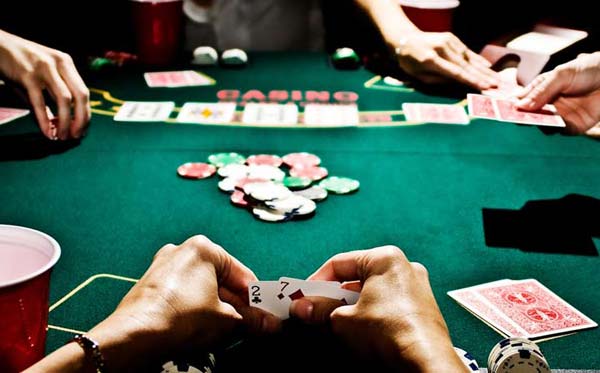
Exploring Diverse Gambling Platforms and Experiences
Today, online gambling platforms have revolutionized the way people interact with games of chance, offering an extensive range of experiences that reflect global cultural diversity. Websites like Casoola Casino exemplify this trend by providing a rich assortment of games designed to cater to various tastes and preferences. Players can explore not only classic slot machines but also live dealer games that mimic the atmosphere of a physical casino.
These platforms allow players from different backgrounds to experience gambling without geographical limitations. The incorporation of cultural themes in game design further enriches this experience. For instance, slot games featuring mythologies or folklore from different cultures invite players to engage in storytelling while they gamble. This creative integration fosters cultural appreciation and encourages players to learn about traditions from around the world.
Additionally, the growing trend of responsible gambling practices has garnered attention from diverse communities, emphasizing the importance of creating safe and enjoyable environments for all players. Online casinos are increasingly adopting measures to ensure players are aware of potential risks associated with gambling. This focus on safety demonstrates a commitment to fostering positive experiences while celebrating the diverse backgrounds of participants.